• Home
  • Natural beauty
  • Healthy and fit
Blue Orange Green Pink Purple
Showing posts with label Healthy and fit. Show all posts

Part 2: Food Rules-- An eaters manual

PART II
What Kind of Food Should I Eat?
      If you follow the rules offered thus far you will be eating real, whole food most of the time—the simple key to a healthy diet. Yet there are some whole foods that are better for us than others, and some ways of producing them and then combining them in meals that can make a difference. So the rules in this section propose a handful of personal policies regarding what to eat, above and beyond “food.”

22. Eat mostly plants, especially leaves.


      Scientists may disagree on what’s so good about plants—the antioxidants? the fiber? the omega-3 fatty acids?—but they do agree that they’re probably really good for you and certainly can’t hurt. There are scores of studies demonstrating that a diet rich in vegetables and fruits reduces the risk of dying from all the Western diseases; in countries where people eat a pound or more of vegetables and fruits a day, the rate of cancer is half what it is in the United States. Also, by eating a diet that is primarily plant based, you’ll be consuming far fewer calories, since plant foods—with the exception of seeds, including grains and nuts—are typically less “energy dense” than the other things you eat.

Read More 0 comments | Posted by Sara Pla | edit post

Part 1: Food Rules-- An eaters manual

PART I
What Should I Eat?
      The rules in this section will help you to distinguish real foods—the plants, animals, and fungi people have been eating for generations—from the highly processed products of modern food science that, increasingly, have come to dominate the food marketplace and diet.

1. Eat food.
      These days this is easier said than done, especially when seventeen thousand new products show up in the supermarket each year. But most of these items don’t deserve to be called food—I call them edible foodlike substances. They’re highly processed concoctions designed by food scientists, consisting mostly of ingredients derived from corn and soy that no normal person keeps in the pantry, and they contain chemical additives with which the human body has not been long acquainted. Today much of the challenge of eating well comes down to choosing real food and avoiding these industrial novelties.

Read More 0 comments | Posted by Sara Pla | edit post

Introduction: Food Rules- an eaters manual


Food Rules
An Eater’s Manual
Michael Pollan
(New York: Penguin Books, 2009.)

Introduction

      Eating in our time has gotten complicated—needlessly so, in my opinion. Most of us have come to rely on experts of one kind or another to tell us how to eat—doctors and diet books, media accounts of the latest findings in nutritional science, government advisories and food pyramids, the proliferating health claims on food packages. We may not always heed these experts’ advice, but their voices are in our heads every time we order from a menu or wheel down the aisle in the supermarket. Also in our heads today resides an astonishing amount of biochemistry. How odd is it that everybody now has at least a passing acquaintance with words like “antioxidant,” “saturated fat,” “omega-3 fatty acids,” “carbohydrates,” “polyphenols,” “folic acid,” “gluten,” and “probiotics”? It’s gotten to the point where we don’t see foods anymore but instead look right through them to the nutrients (good and bad) they contain, and of course to the calories—all these invisible qualities in our food that, properly understood, supposedly hold the secret to eating well.
      But for all the scientific and pseudoscientific food baggage we’ve taken on in recent years, we still don’t know what we should be eating. Should we worry more about the fats or the carbohydrates? Then what about the “good” fats? Or the “bad” carbohydrates, like high-fructose corn syrup? What’s the deal with artificial sweeteners? Is it really true that this breakfast cereal will improve my son’s focus at school or that other cereal will protect me from a heart attack? And when did eating a bowl of breakfast cereal become a therapeutic procedure?
      A few years ago, feeling as confused as everyone else, I set out to get to the bottom of a simple question: What should I eat? I’m not a nutrition expert or a scientist, just a curious journalist hoping to answer a straightforward question for myself and my family.
      The deeper I delved into the confused and confusing thicket of nutritional science, the simpler the picture gradually became. I learned that in fact science knows a lot less about nutrition than you would expect—that in fact nutrition science is, to put it charitably, a very young science. It’s still trying to figure out exactly what happens in your body when you sip a soda, or what is going on in a carrot to make it so good for you, or why in the world you have so many neurons—brain cells!—in your stomach, of all places. Nutrition science, which after all only got started less than two hundred years ago, is today approximately where surgery was in the year 1650.
      But if I’ve learned volumes about all we don’t know about nutrition, I’ve also learned a small number of very important things we do know about food and health. This is what I meant when I said the picture got simpler the deeper I went.
    
  There are basically two important things you need to know about the links between diet and health, two facts that are not in dispute. All the contending parties in the nutrition wars agree on them. And, even more important for our purposes, these facts are sturdy enough that we can build a sensible diet upon them. Here they are:
      Fact 1. Populations that eat a so-called Western diet—generally defined as a diet consisting of lots of processed foods and meat, lots of added fat and sugar, lots of refined grains, lots of everything except vegetables, fruits, and whole grains—invariably suffer from high rates of the so-called Western diseases: obesity, type 2 diabetes, cardiovascular disease, and cancer. Virtually all of the obesity and type 2 diabetes, 80 percent of the cardiovascular disease, and more than a third of all cancers can be linked to this diet. Four of the top ten killers in America are chronic diseases linked to this diet. The arguments in nutritional science are not about this well-established link; rather, they are all about identifying the culprit nutrient in the Western diet that might be responsible for chronic diseases. This diet, for whatever reason, is the problem.

Read More 0 comments | Posted by Sara Pla | edit post

Health Benefits of oatmeal


Plain Oatmeal served with milk and honey for breakfast is one of my favorites, and I know its healthy and good for me. But, what are the benefits of oatmeal?

Healthy Hearts:
By combining soluble and insoluble fibre, oatmeal lowers bad cholesterol. Daily intake of 3 gms of soluble fiber from oatmeal reduces risk of heart diseases.
Read More 0 comments | Posted by Sara Pla | edit post

Health Benefits of Water Melon

The health benefits of water melon include kidney disorders, high blood pressure, diabetes, heart care, heat stroke, macular degeneration, impotence, etc.
What’s so much the fuss about this Water Melon? Isn’t it nothing more than a ball full of water? Okay! I know there cannot be a more refreshing thing than a big, chilled wedge of water melon in tropical summers and it sports a stylish scientific name of Citrullus Lanatus. But then there are others too. So, what’s special about it? I am afraid, there are lots of them.
How about having a refreshing glimpse of them? Given below are some health benefits of water melon:
  • Kidney Disorders: Water Melon contains a lot of potassium, which is very helpful in cleaning or washing off the toxic depositions in the kidneys. Moreover, it is helpful in reducing concentration of uric acid in the blood, thereby reducing the chances of kidney damages and formation of renal calculi in it. Added to these, being high in water content, it induces frequent urinating, which is again helpful for cleaning of kidneys. Also, the anti oxidants present in ensure good health of kidneys for a long.
Read More 0 comments | Posted by Kelsey Noble | edit post

Is a tomato a fruit or a vegetable?

By Lori Bongiorno
Technically speaking, a tomato is a fruit. That's because the scientific definition of a fruit doesn't take into account how sweet a natural plant product is or whether it's served for dinner or dessert.
A fruit is officially defined as "the fleshy or dry ripened ovary of a plant, enclosing the seed or seeds."
The simplest way to figure out if any plant product is a fruit or a veggie is to ask this question -- Does it have seeds inside? If so, it's a fruit. If not, it's a vegetable.
That makes the following items fruits, not veggies:
  • Tomato
  • Cucumber
  • Squash
  • Zucchini
Read More 0 comments | Posted by Kelsey Noble | edit post

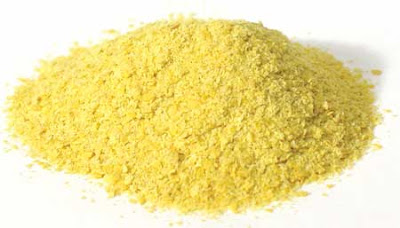
Brewers' yeast

Brewers' yeast has been used traditionally for centuries for the purpose of brewing beer and some winemaking. But although the product has been used for centuries, many are not aware of the remarkable health benefits imparted by brewers' yeast, which have earned it the suitable moniker of 'nature's wonder food'.

Many people in the health community or those seeking a healthier diet with an abundance of nutritional element are turning to brewers' yeast as a daily addition.

Read More 0 comments | Posted by Sara Pla | edit post

Swim suit snacks: The right foods to munch on to look your best in a bikini

To banish bloat

Reach for Calcium-packed foods
How much 1,000 milligrams calcium
Researchers aren't sure why, but consuming high-calcium foods before you bare (nearly) all may help deflate PMS puffiness as well as the bloat that results from eating salty foods, says Toby Smithson, R.D., a spokeswoman in Waukegan, Illinois, for the American Dietetic Association. PMS bloating may occur when levels of calcium and vitamin D—which can fluctuate during your cycle—are low. To hit the RDA, try combos of 1 cup lowfat milk (290 mg calcium), 8 ounces lowfat plain yogurt (415 mg calcium) and 2 1/2 oz lowfat cheddar (295 mg calcium).

To fight fat

Reach for Almonds
How much 1/4 cup
Read More 0 comments | Posted by Kelsey Noble | edit post

Yogurt Promotes Digestive Health

Yogurt is part of the dairy level of the food pyramid, offering many digestive benefits.


But what exactly is yogurt?

Yogurt starts out as milk which is heated to about 200 degrees F for 10 to 30 minutes. Then it has to be cooled very rapidly to about 112 degrees F and mixed with the yogurt starter that contains the two necessary bacteria. For the custard style or thicker yogurt, the milk has to be heated for a longer period of time. After it has cooled, it's put into clean containers at 100 degrees F. This fermentation process is what develops the tartness in the yogurt.

And just what are the health benefits of yogurt?

First off, your body needs to have a healthy amount of ''good'' bacteria in the digestive tract,
Read More 2 comments | Posted by Sara Pla | edit post

8 Commonly Used Herbs and their Healing Properties


Herbs have been part of every culture and medical tradition since the earliest humans walked the earth for treatment of everything from colds to digestive issues to depression. You may be surprised to learn that the herbs you have been regularly using to infuse your food with appetizing flavors also have amazing healing abilities. They are easily grown in your own home so you can have them on hand to use whenever the urge to cook strikes you. Read on to find the healing health benefits of these commonly used herbs.

1. Rosemary
Rosemary has been used as a brain tonic in Chinese traditional medicine for thousands of years. Rosemary contains volatile oils that help stimulate brain activities and increase brain alertness. One compound it contains, cineole, has been found to enhance the ability of rat to navigate mazes. So skip the harsh coffee and spice up your energy level with rosemary. Other benefits? Rosemary also aids in digestion and perks up your immune system. Steep it as tea, use in your poultry dishes and soups--or just crush some up to fill your home with an energizing scent.
Read More 0 comments | Posted by Kelsey Noble | edit post

Get Leaner Legs

By Lucy Danziger


It's baaack! Yes, shorts season is here. That means your legs get more exposure than ever, so naturally you want them to look slim, sexy and totally toned. We all know that walking and running can help sculpt legs, but the key to melting fat and building lean muscle is with plyometrics training, says übertrainer and new SELF contributor Jillian Michaels. Her favorite firmer? Jump squats.

"They will literally lift your legs and help you shed a ton of fat," she says. "Doing them burns more calories both while you're exercising and afterward. The move makes tiny tears in the muscle fiber, which creates an intense afterburn that accelerates the process of getting toned and conditioned. These moves utilize your body weight and they are absolutely fantastic for making you look leaner."
Read More 0 comments | Posted by Kelsey Noble | edit post

8 Things you should know about caffeine

Web excerpt-


When I worked at my last company, I bought a 12 ounce cup of coffee every morning. When I started working at home, however, I started making my own coffee. Not thinking about the caffeine intake, I'd make a pot of 3 to 4 cups (18 - 24 ounces). This seemed like a good amount...worthy of the coffee filter, but manageable for one person to finish. This logic, however, didn't account for the possibility of the physiological dependence that soon ensued.
Without even thinking, my daily wake-me-up cup quickly became a daily fix.
Read More 0 comments | Posted by Kelsey Noble | edit post

Benefits of Honey in Weight Loss


The benefits of honey can be seen in your weight loss program. If you are trying to lose weight, honey can be of great help to you. But before we move on to the benefits of honey in weight loss we should address the concerns people have regarding honey.
Many people ask: Isn't honey a type of sugar? Does it not add any weight? Won't the calories in honey negate your weight loss efforts?
You are right - honey contains sugar. But unlike refined sugar, honey contains vitamins and minerals too. Normally, to digest sugar, the vitamins and minerals stored in body are utilized, rendering the body devoid of these nutrients. These nutrients are
Read More 0 comments | Posted by Kelsey Noble | edit post

Grapes of Wrath? How Red Wine Does a Body Good

By Mona Buehler

You know the drill. A diet rich in fruits, veggies and whole grains is vital for good health. Blah...blah...blah. But did you know that drinking wine regularly is healthy? Hold the wine train, you mean drinking is good...for...me? Cheers! A growing number of studies show that this fermented grape goodness may be more than just a fabulous dinner complement--in moderation, a glass or two can help your heart, prevent cancer and more. So raise your glass and take a look at all the vino buzz, and exactly why wine loves you.

A Glass (or Two) a Day Keeps the Doctor Away

Like apples, there are antioxidants present in the skin and seeds of grapes that do a body good. Antioxidants are
Read More 0 comments | Posted by Kelsey Noble | edit post

Health Benefits of Yerba Mate

Studies indicate that yerba mate tea may be beneficial to your health in several ways:


1. Antioxidant capacity - Studies indicate that consuming yerba mate tea can significantly contribute to antioxidant intake. Evidence indicates that the antioxidant capacity of yerba mate is higher than that of green tea, which is known as having a very high antioxidant capacity. Several caffeoyl derivatives seem to account for the antioxidant capacity.

2. Anti cancer effects - Scientifically backed reports reveal that yerba mate has anti cancer effects. It has been shown to be highly toxic to cancer cells, even more so than green tea.

Read More 1 Comment | Posted by Sara Pla | edit post

The importance of breakfast.

Breakfast plays a important role in building the body's energy reserves. Eating breakfast is associated with improved concentration, cognitive performance, late morning strength and endurance, reduced irritability and fatigue.


Read More 0 comments | Posted by Sara Pla | edit post
Home

:: Ploble ::

  • About
      This page is just a compilation of information regarding healthy living, natural resources, exercise, healthy recipes, etc. Mainly just for the sake of having them at hand to look at when we want. So, we (Kelsey and Sara) decided to put it in blog form for any of you who would be interested in any of this information. The information we get will be from a variety of sources or things which have worked for us. I hope you can find something you need here.
  • Search


  • visitors

    Visitors


    • Home
    • Posts RSS
    • Comments RSS
    • Edit

    © Copyright Ploble. All rights reserved.
    Designed by FTL Wordpress Themes | Bloggerized by FalconHive.com
    brought to you by Smashing Magazine

    Back to Top